Specialist research team
Project experience spans CADD, AIDD, computational chemistry, computational biology, molecular simulation and AI4Science.
Explore drug screening, molecular simulation, protein and peptide engineering, omics, quantum chemistry and materials modelling. Choose a research domain to view relevant services and report cases.
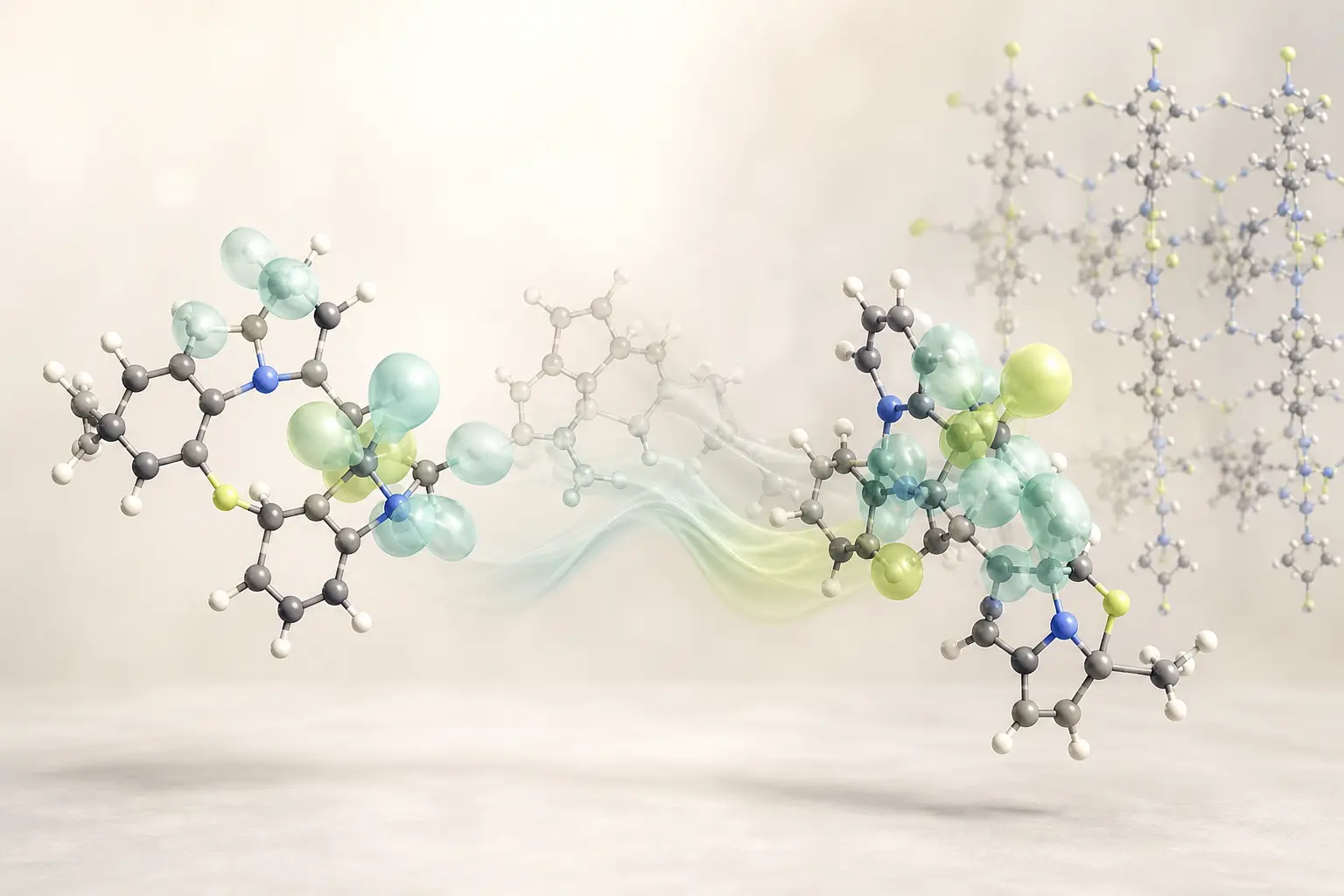 Computational research mapChoose a domain to view cases
HESUAN is a computational science and AI research-service platform for pharmaceutical and biotechnology companies, universities and research institutions. We combine artificial intelligence, high-performance computing and molecular simulation across drug research, computational biology and materials science.
About HESUAN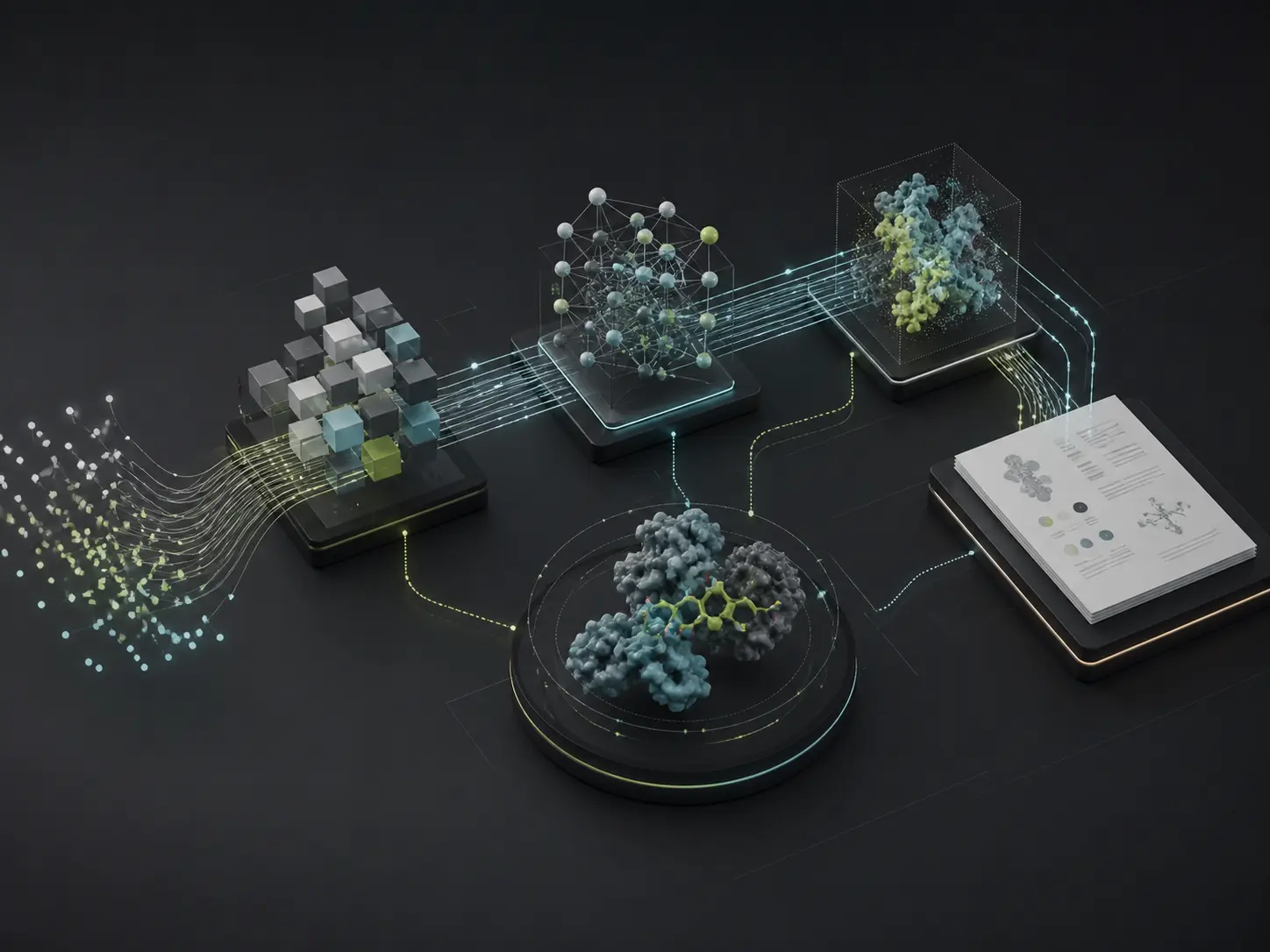
Project experience spans CADD, AIDD, computational chemistry, computational biology, molecular simulation and AI4Science.
High-performance GPU and HPC resources combine with established commercial software, open-source tools and AI models for complex computational work.
Capabilities cover target analysis, virtual screening, molecular design, molecular dynamics, bioinformatics, AI-enabled research and materials simulation.
Each computational plan is designed around the scientific question, research objective, available data and required deliverables.
Working with university and research teams on defined computational research questions.
 Tsinghua UniversityTHU
 Peking UniversityPKU
 Zhejiang UniversityZJU
 Fudan UniversityFDU
 Shanghai Jiao Tong UniversitySJTU
 University of Science and Technology of ChinaUSTC
 Nanjing UniversityNJU
 Wuhan UniversityWHU
 Sun Yat-sen UniversitySYSU
 Huazhong University of Science and TechnologyHUST
 Sichuan UniversitySCU
 Xi'an Jiaotong UniversityXJTU
 Harbin Institute of TechnologyHIT
 Tianjin UniversityTJU
 Nankai UniversityNKU
 Chongqing Medical UniversityCQMU
 Wenzhou Medical UniversityWMU
 Hangzhou Medical CollegeHMC
 Beijing University of Chinese MedicineBUCM
 Shihezi UniversitySHZU
 Xinjiang Medical UniversityXJMU
 Yunnan UniversityYNU
 Nanjing University of Science and TechnologyNJUST
 China Pharmaceutical UniversityCPU
 The University of Hong KongHKU
 The Chinese University of Hong KongCUHK
 National University of SingaporeNUS
Start from the research objective, then review appropriate methods, data requirements and deliverables.
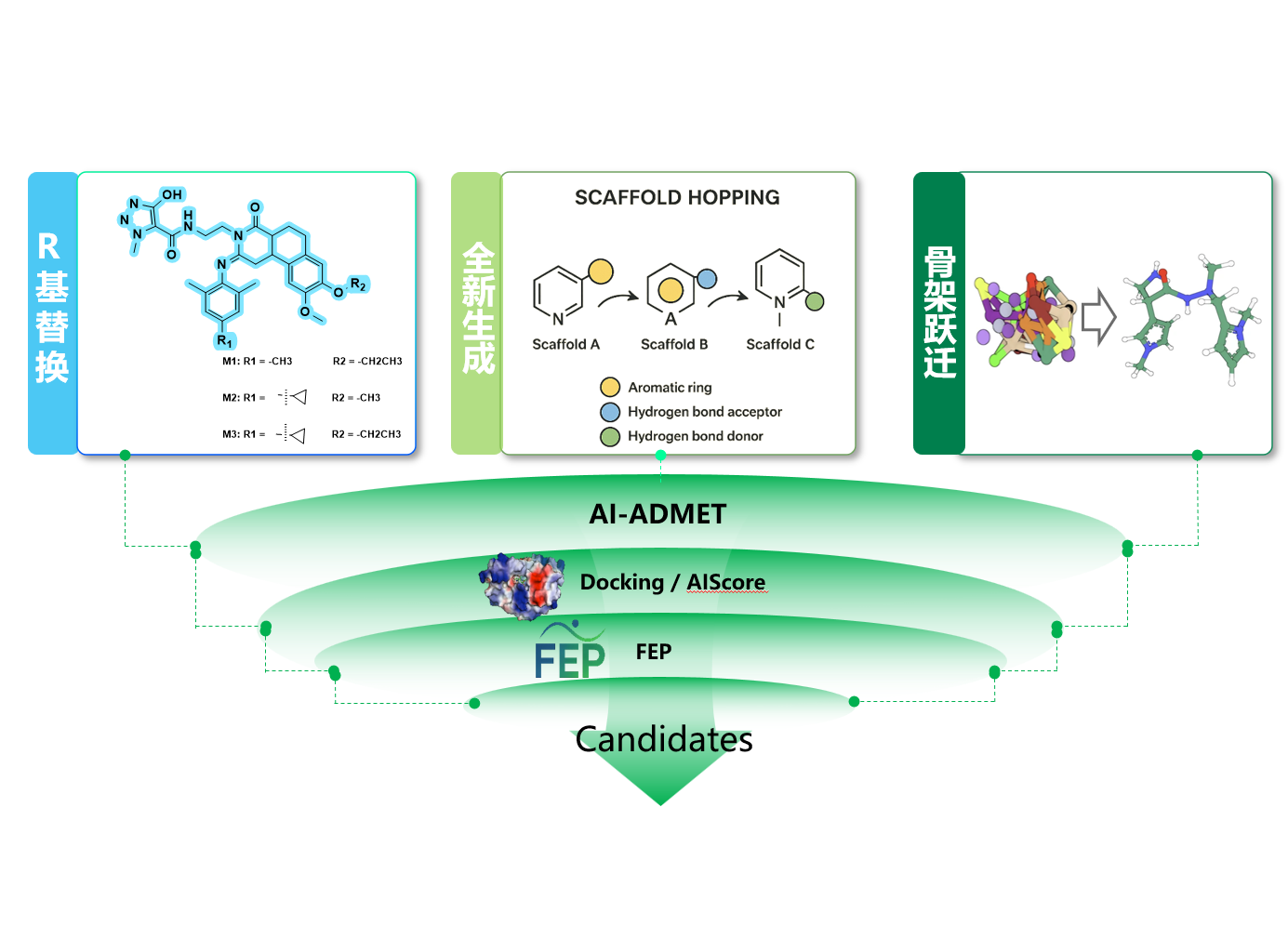
From target analysis and virtual screening to molecular design and developability assessment.
View solution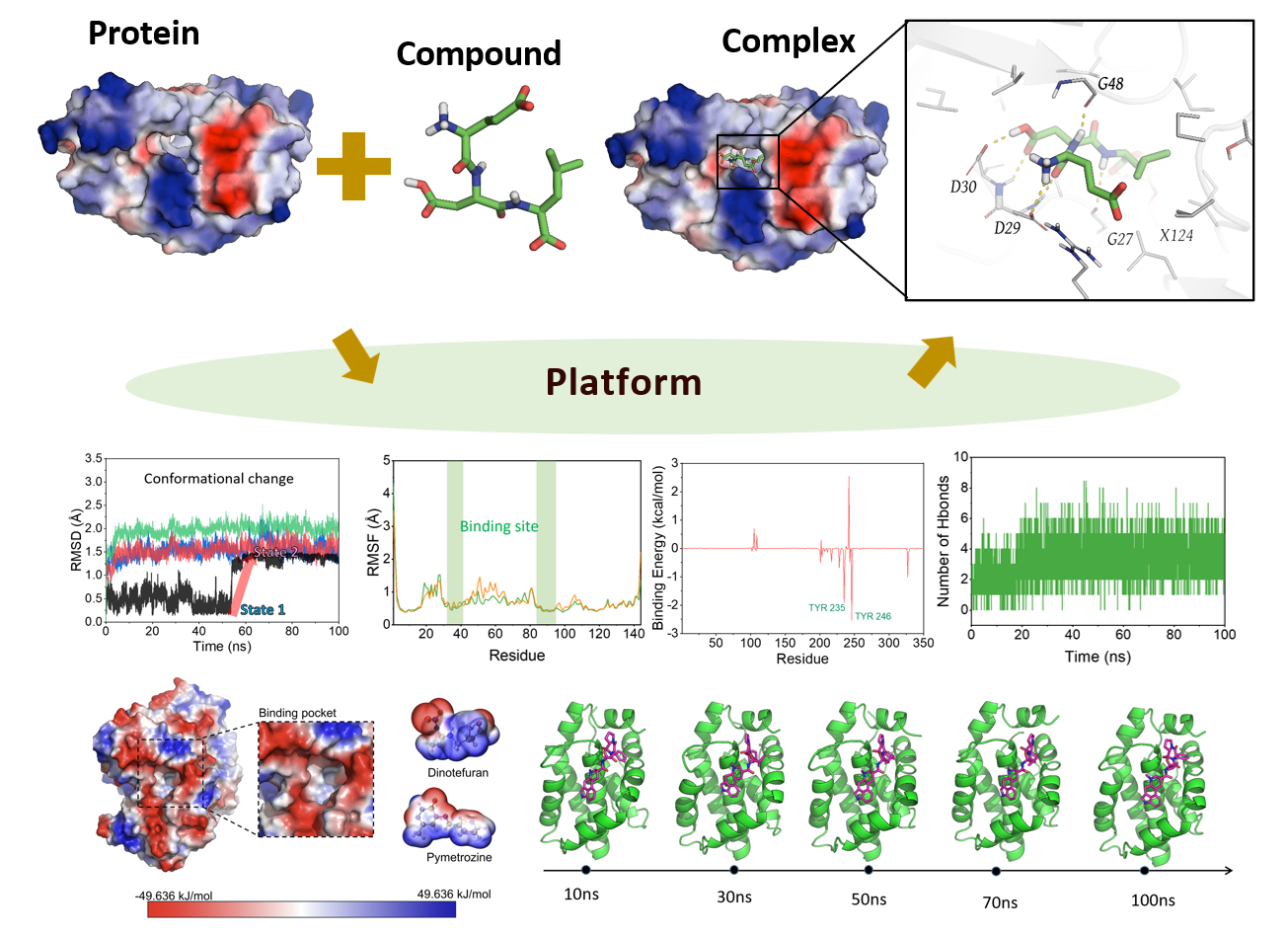
Combine docking, dynamics, free-energy methods and interaction analysis to study structural mechanisms.
View solution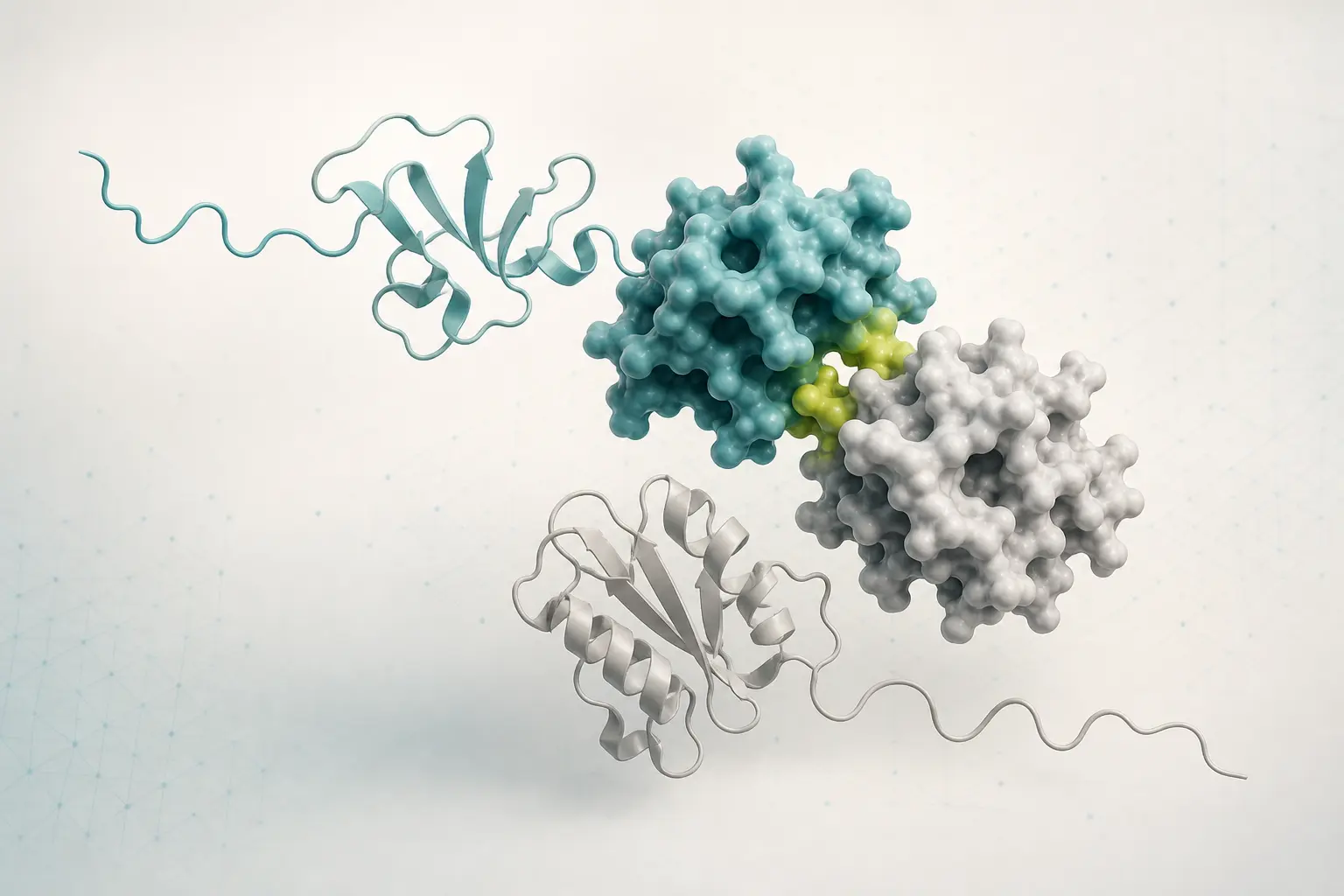
Reduce experimental design space through structure, sequence, interface and stability analysis.
View solution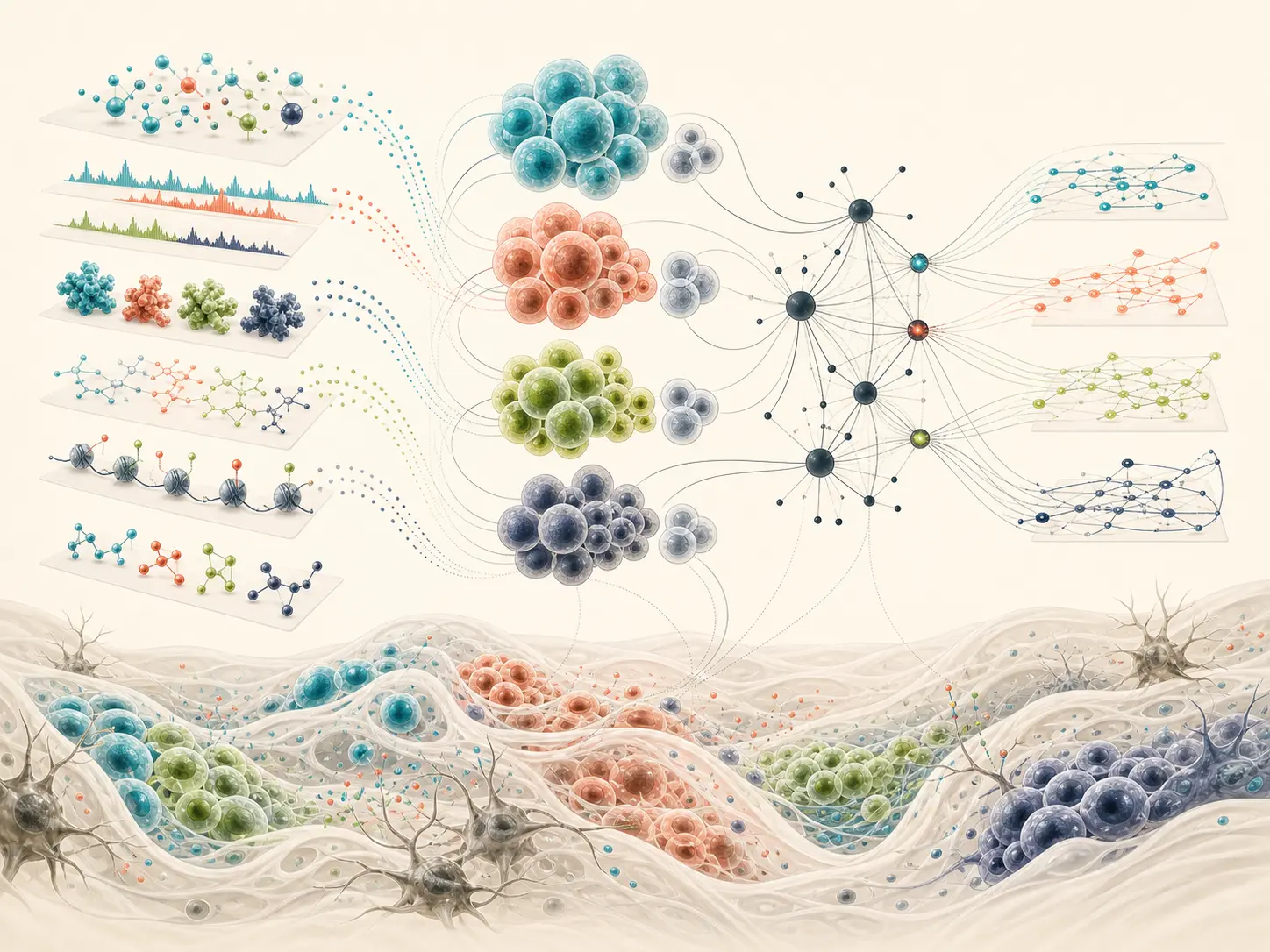
Connect omics signals, cell states and biological mechanisms from study design and quality control.
View solution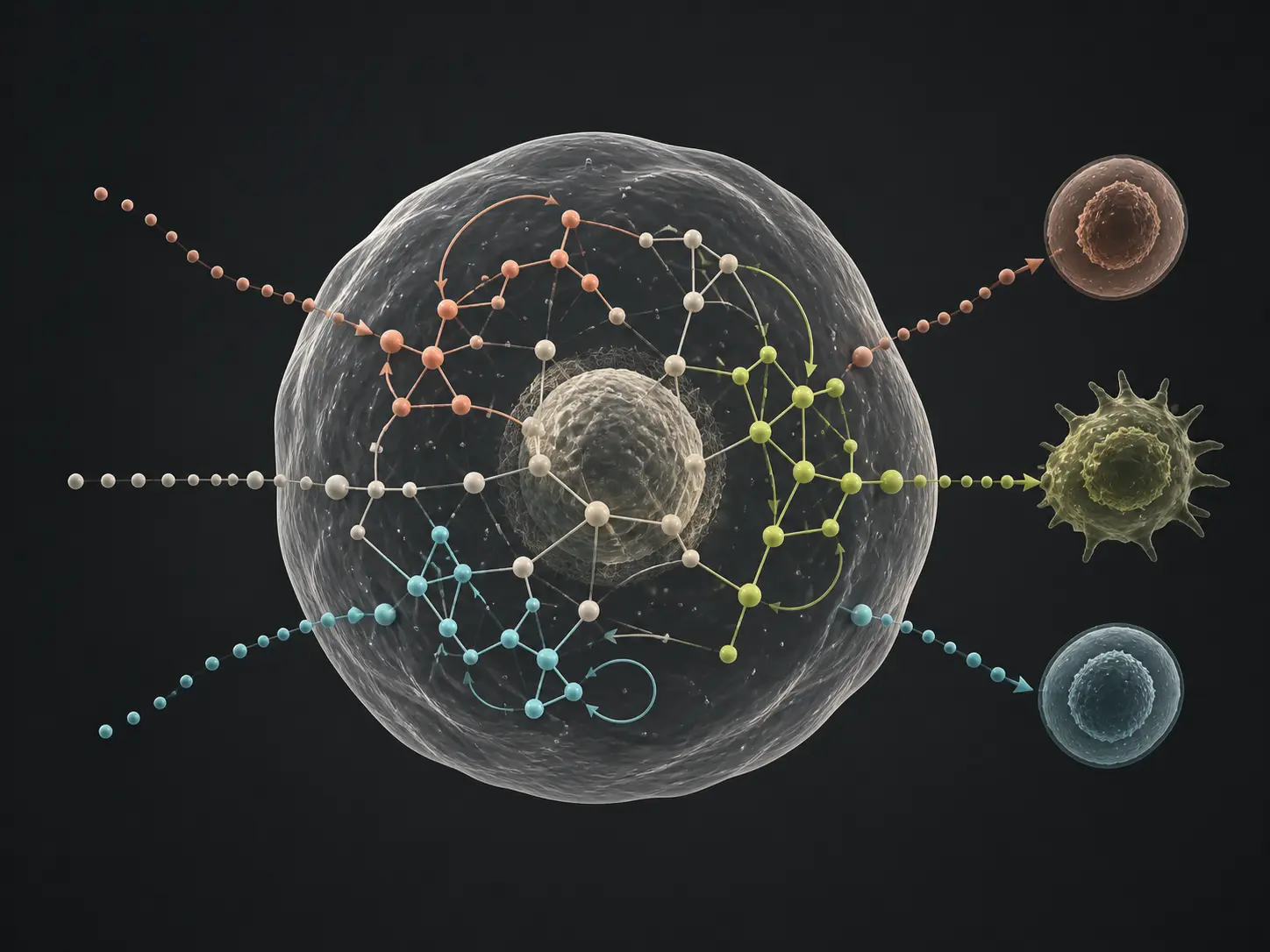
Apply machine learning and representation models within reproducible research workflows.
View solution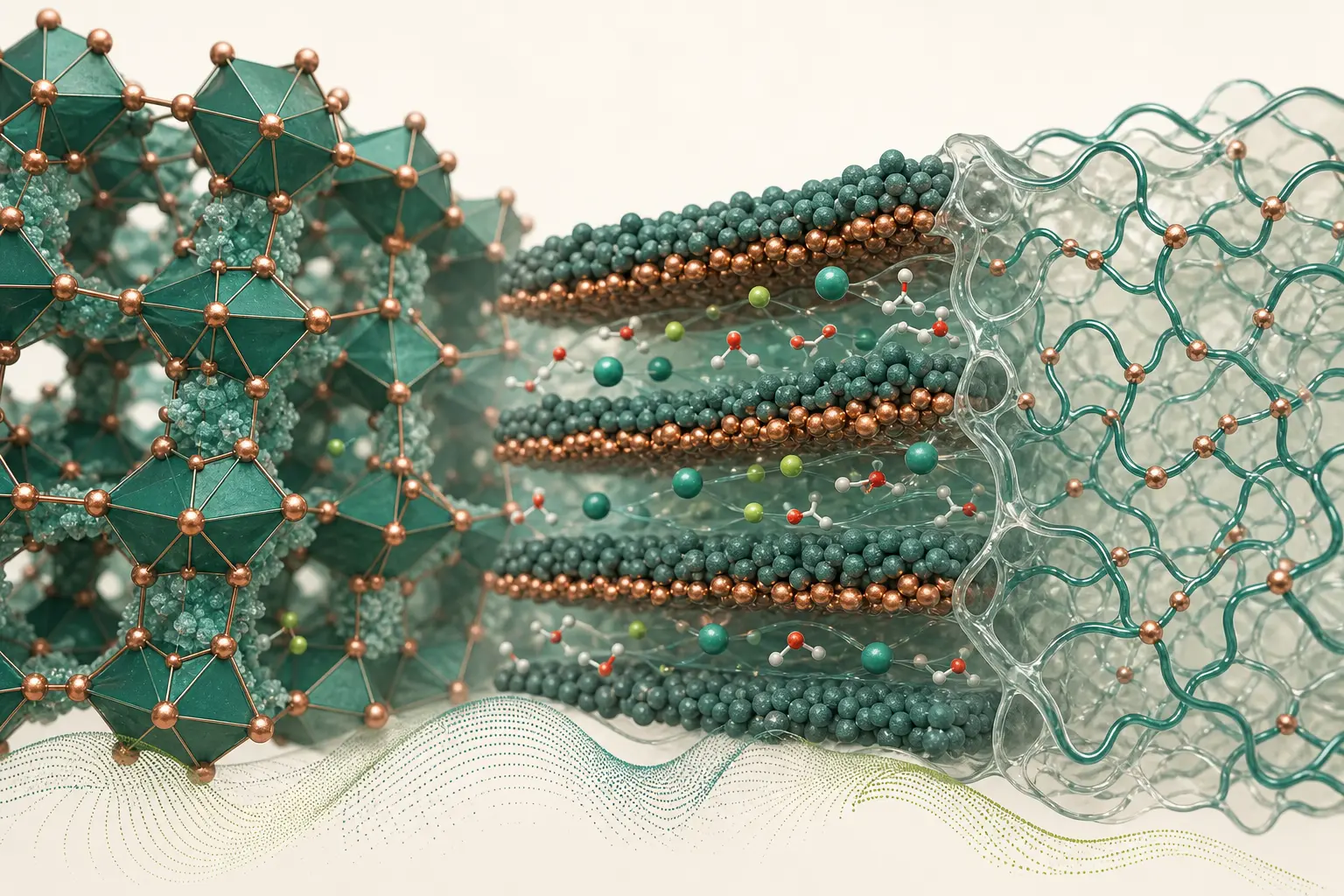
Study electronic structure, reaction paths, self-assembly, material properties and multicomponent systems.
View solution8 research areas organise the current 90 computational research services.
Connect screening, design, energetics and developability risk from target and chemical-space evidence.
View every service in this area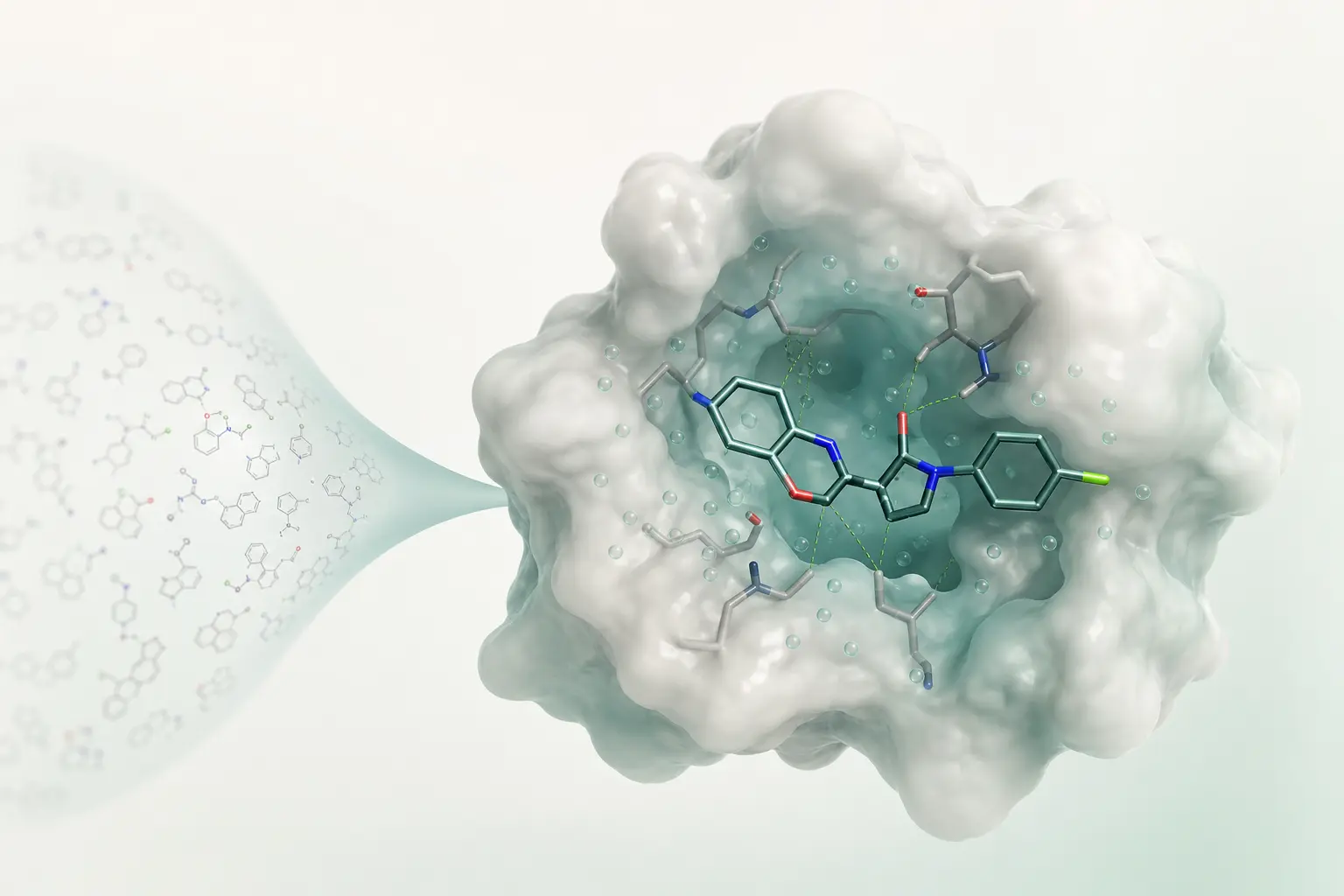
Explore representative work through graphical abstracts and selected computational results.
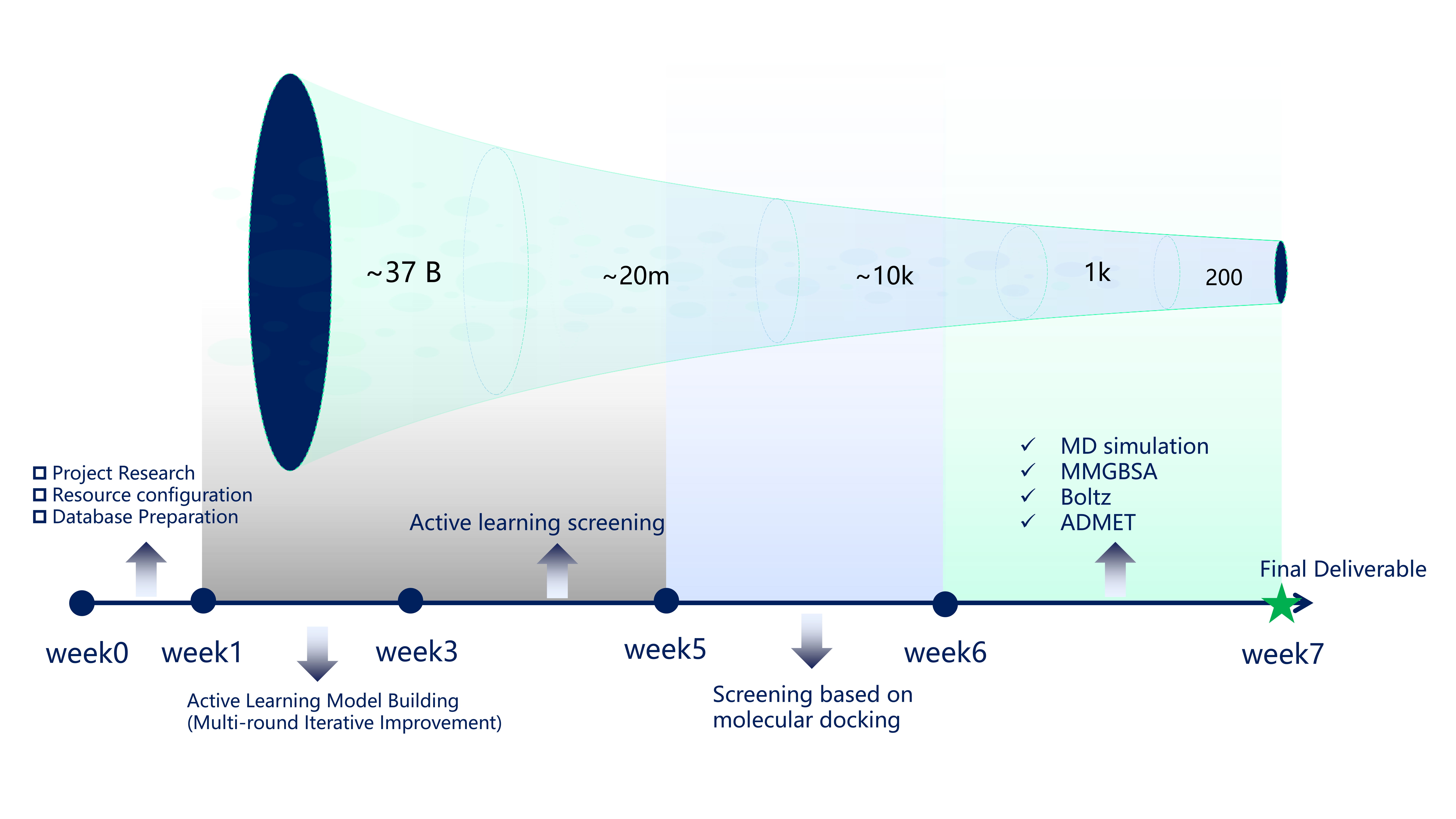
A staged funnel combines model ranking, structural review, scaffold diversity, developability risk and dynamic evidence to narrow a broad chemical space.
View case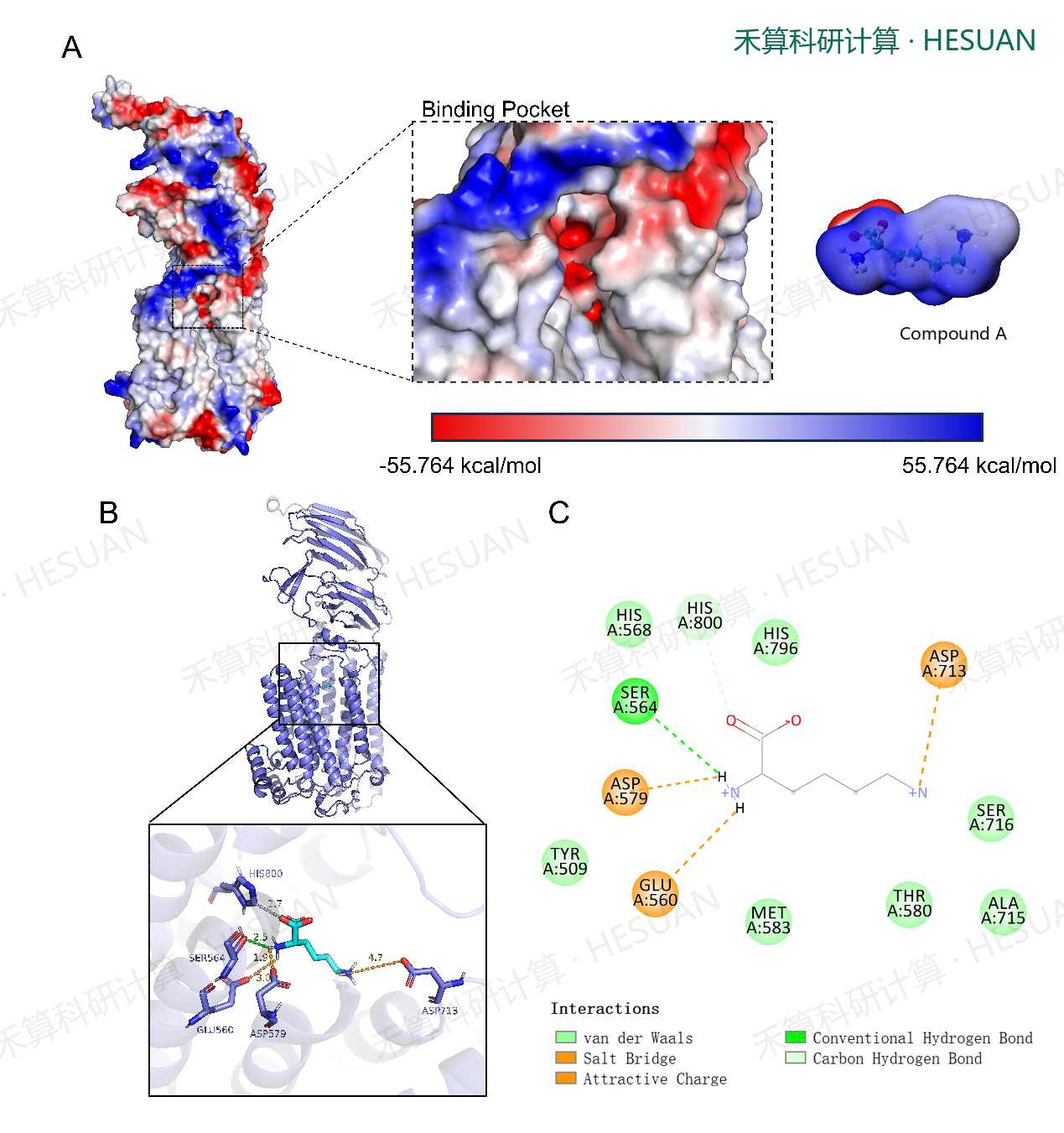
A reviewable complex hypothesis is tested through trajectory diagnostics, key contacts and local contribution patterns.
View case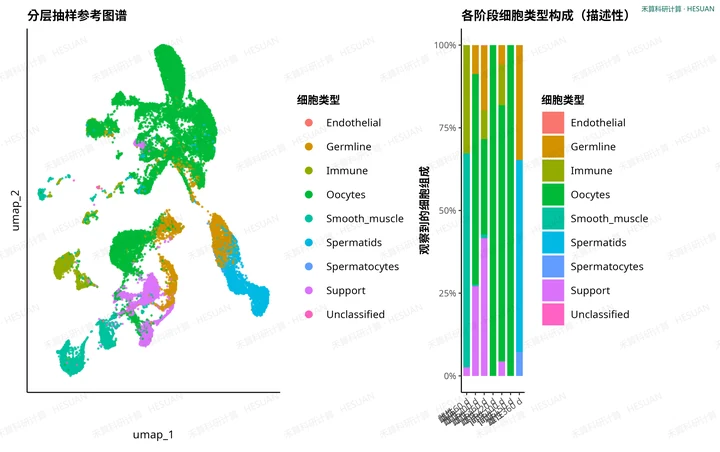
Single-cell state models and network perturbations prioritise intervention hypotheses with explicit robustness checks.
View case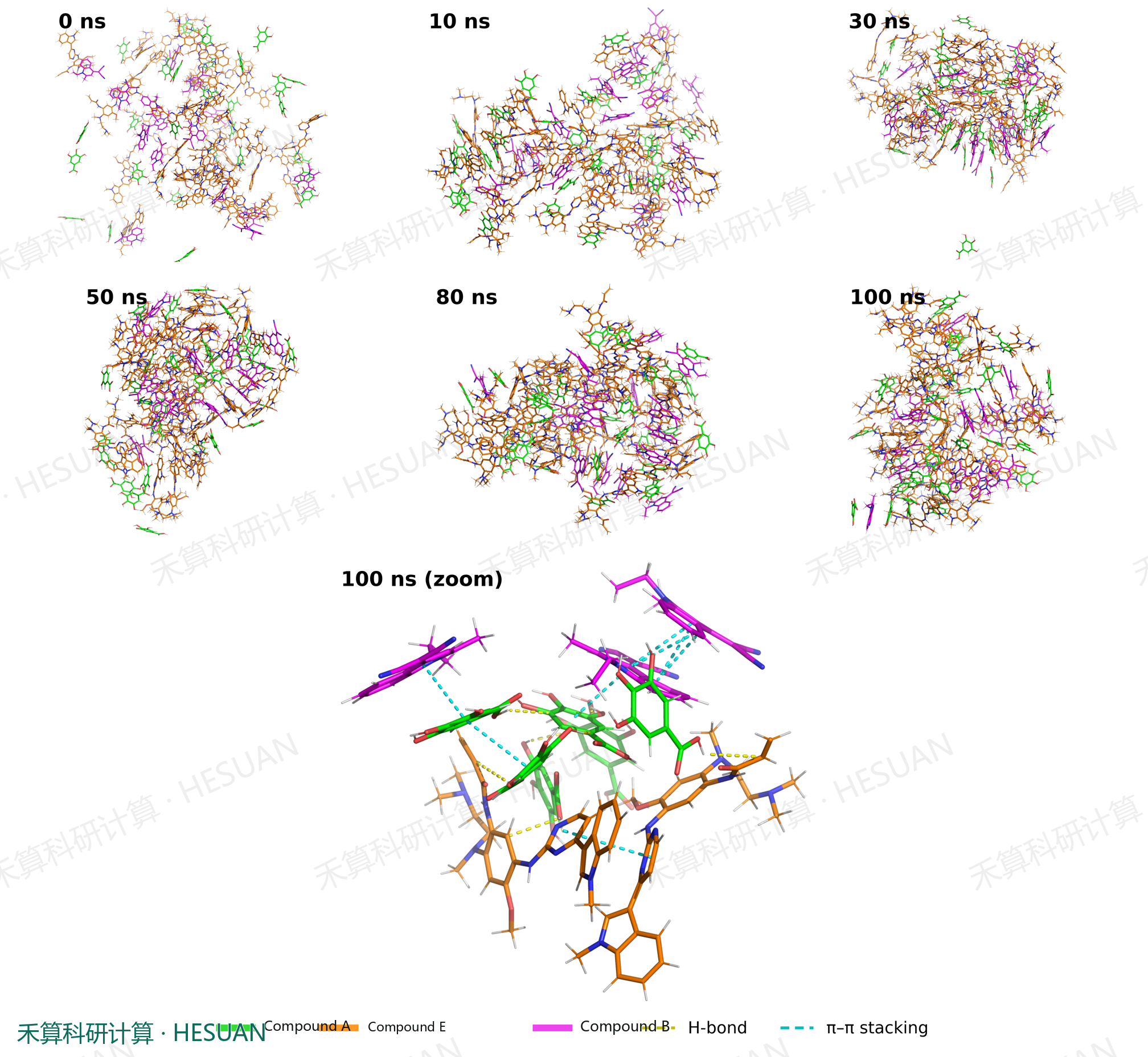
Explicit-solvent dynamics, clustering, RDF, contacts, SASA, PCA/FEL and conditional MM/GBSA are combined to review ternary co-assembly and conformational modes.
View caseInterdisciplinary expertise, professional computing, secure data management and flexible service models support each research project.
We bring together expertise in computational chemistry, computational biology, bioinformatics, artificial intelligence and materials modelling. Beyond delivering computational results, we design projects around the scientific question, interpret findings and investigate mechanisms to provide testable computational evidence for research.
Backed by high-performance GPU/CPU clusters and a mature scientific software stack, we support compute-intensive work in molecular dynamics, virtual screening, AI modelling, bioinformatics and materials simulation. This infrastructure enables efficient analysis of complex systems and large-scale datasets and helps research projects progress faster.
We place a high priority on protecting research data, unpublished findings and intellectual property. Standardised data management and project-isolation controls ensure that project materials, computational data and research outputs are handled under strict confidentiality requirements.
We support universities, research institutes, biopharmaceutical teams and advanced-materials R&D groups with flexible options ranging from individual calculations to complete computational research programmes. Technical routes and computing resources are allocated according to the research objective, balancing scientific rigour with project timelines and computing costs.
From disease research, biomolecular engineering and omics to chemistry and materials systems.
A project plan, schedule and quotation follow the initial assessment.